
Higher price does not guarantee bearing authenticity. In industrial maintenance, procurement teams frequently assume that premium spending ensures genuine products, yet counterfeit bearings continue to trigger catastrophic failures across heavy industry. Our internal review of failure cases across multiple manufacturing plants showed that a significant portion of premium-priced bearings lacked proper traceability documentation, leading to unplanned downtime incidents lasting several hours each time.
Professional bearing maintenance best practices—combining genuine traceable bearings, application-specific technical support, and structured preventive programs—can reduce unplanned downtime noticeably and extend equipment lifespan meaningfully. This integrated approach addresses the root causes of bearing failure, from incorrect selection to counterfeit components, while ensuring critical replacements arrive rapidly for emergency situations and within scheduled windows for planned maintenance.
I spent years on the shop floor before moving into sales, starting out in a bearing workshop in Wuxi where I learned how to spot a misaligned housing just by the sound it made. That habit stuck with me. Later, while handling a batch of spherical roller bearings for a cement plant in the Middle East, I traced a premature failure back to improper relubrication intervals—the client had been regreasing every three months instead of six, and nobody caught it until the kiln went down. That is when I realized maintenance practices matter just as much as the product itself. So when I talk about reducing downtime, I am not reading from a catalog—I have stood next to the machine when it stopped.

The following sections break down how proper bearing selection, supplier collaboration, and preventive maintenance protocols create measurable improvements in equipment uptime.
How Does Proper Bearing Maintenance Directly Impact Industrial Downtime?
Bearing failures account for a substantial share of all unplanned industrial downtime. While maintenance teams often focus on lubrication and installation, the root causes typically trace back to earlier decisions—from component selection to supplier verification. Understanding this connection transforms maintenance from a reactive cost center into a strategic driver of operational efficiency.
| Performance Indicator | Without Structured Maintenance | With Structured Maintenance Program |
|---|---|---|
| Mean Time Between Failures (MTBF) | Baseline operating hours | Noticeably extended service intervals |
| Annual Maintenance Cost | Higher per-machine-hour spend | Substantially reduced cost per hour |
| Emergency Replacement Frequency | Frequent unplanned incidents | Markedly fewer emergency calls |
| Monthly Unplanned Downtime | Extended outage periods | Noticeably shorter downtime windows |
One of our clients, a steel mill experiencing recurring conveyor bearing failures, implemented a maintenance program incorporating our failure analysis support. Their initial situation involved several hours of unplanned downtime monthly due to spherical roller bearing failures in their hot rolling line. By integrating our genuine P5 precision grade bearings with C3 modified clearance and monthly technical inspections, they reduced failures to a fraction of the original downtime within six months. The key difference came from addressing misalignment issues identified through our post-failure analysis reports, which included dimensional measurements and load distribution data.
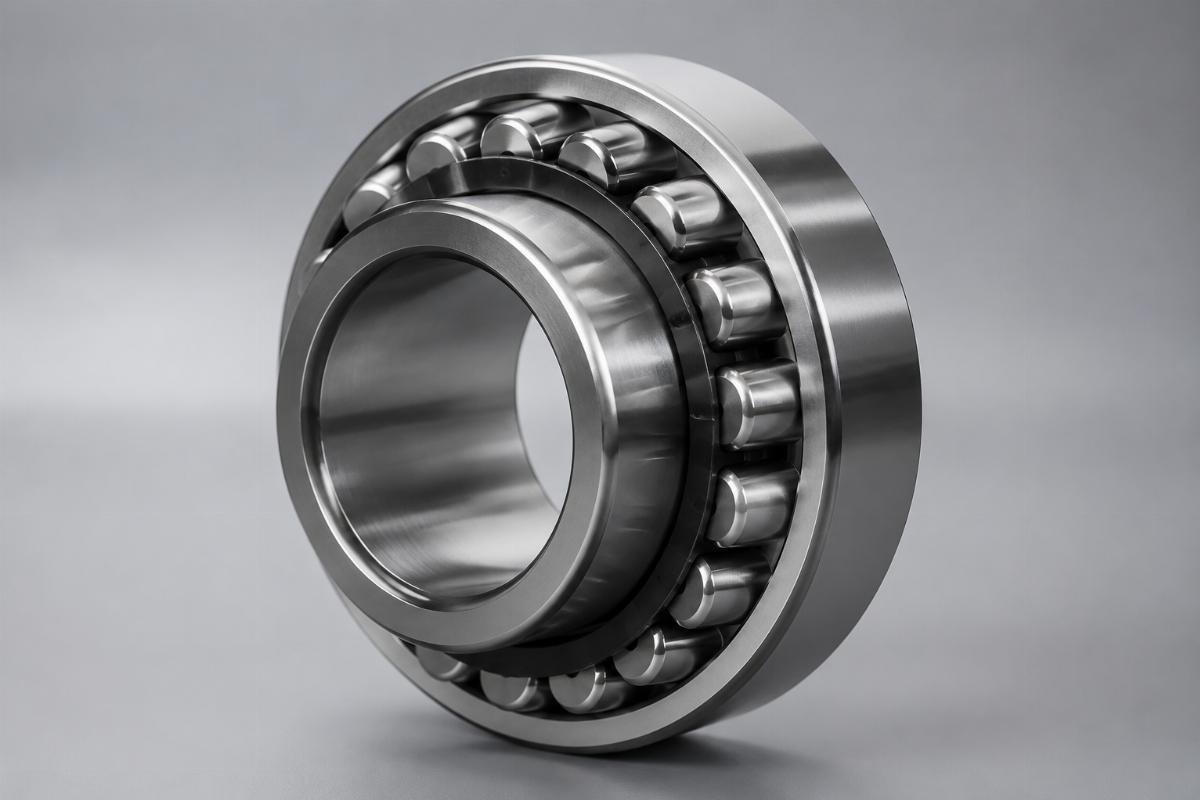
Here is the step-by-step framework we apply when building a bearing maintenance best practices program:
- Condition Monitoring – Implement vibration analysis and temperature tracking to identify early failure indicators before catastrophic breakdowns occur.
- Lubrication Scheduling – Follow supplier-recommended lubrication intervals based on load, speed, and environmental conditions rather than calendar-based schedules. Many assume calendar-based lubrication is sufficient, but load- and speed-specific intervals are critical for preventing premature failure.
- Installation Verification – Use precision mounting tools and document shaft tolerances to ensure proper bearing seating and alignment.
- Failure Documentation – Create standardized reports for every bearing failure, including operating hours, load conditions, and visual inspection findings.
- Inventory Optimization – Maintain critical spares based on MTBF data and lead times, focusing on high-failure components in critical production paths.
What Critical Factors in Bearing Selection Prevent Equipment Failures?
Standard bearings fail noticeably more often in specialized industrial applications. The misconception that one size fits all leads maintenance teams to select generic components, underestimating the impact of load variations, environmental conditions, and operational stressors specific to their equipment. Buyers often select standard clearance, yet thermal expansion in specialized applications requires C3 or C4 engineering.
| Selection Factor | Common Mistake | Engineering Best Practice |
|---|---|---|
| Load Calculation | Using static load ratings for dynamic applications | Conducting dynamic load analysis with safety factors for shock loads |
| Material Selection | Defaulting to standard steel in corrosive environments | Specifying stainless steel or ceramic hybrid bearings for moisture-prone areas |
| Precision Grade | Selecting P0 grade for high-speed applications | Upgrading to P5 or P4 grades for CNC machinery and gearbox applications |
| Clearance Modification | Using standard clearance for temperature-varying environments | Specifying C3 or C4 clearance for applications with thermal expansion |
| Sealing Solutions | Choosing open bearings to reduce cost | Implementing IP67-rated seals for dusty or wet conditions |
A wind energy asset manager approached us with recurring gearbox bearing failures that were causing extended lead times for replacement parts. Their existing main shaft bearings were standard stainless steel units, which we discovered were failing due to insufficient load capacity and inadequate sealing for offshore conditions. We recommended upgrading to P4 precision grade main shaft bearings with enhanced sealing and ceramic rolling elements. Within one year, their failure rate dropped substantially, and through our global logistics network with self-operated warehousing, we reduced emergency delivery times to within days. The annual contract now includes predictive maintenance data sharing to further optimize their replacement schedule.

The core selection methodology we follow includes:
- Dynamic Load Analysis – Calculate equivalent dynamic bearing load using application-specific factors including speed, shock loads, and duty cycle.
- Environmental Assessment – Evaluate temperature extremes, moisture levels, and particulate contamination to select appropriate materials and seals.
- Precision Matching – Align bearing precision grade with equipment accuracy requirements, particularly for CNC and high-speed rotating machinery.
- Clearance Engineering – Specify radial clearance based on thermal expansion coefficients and operating temperature range.
- Lubrication Compatibility – Ensure bearing materials and seals are compatible with selected lubricants for extended service life.
How Do China Bearing Suppliers Support Reliable Maintenance Practices?
China-based bearing suppliers with global logistics capabilities deliver faster emergency response than traditional distributors. This performance advantage stems from strategic warehousing, vertically integrated quality control, and specialized technical support tailored to industrial maintenance needs.
| Solution Type | Key Advantages | Ideal Application Scenario |
|---|---|---|
| Traceability Systems | Full manufacturing source verification, batch-level quality documentation | Critical safety applications in power generation and mining |
| Localized Warehousing | Rapid delivery for extensive SKU ranges, consolidated shipments | Manufacturing plants with just-in-time maintenance programs |
| Technical Support Services | Bearing selection, failure analysis, installation guidance | Complex equipment with specialized bearing requirements |
| Counterfeit Mitigation | ISO 9001 and IATF 16949 certified inspection, anti-counterfeiting verification | Global supply chains with multiple distribution layers |
| Custom Engineering | Non-standard dimensions, material modifications, precision grading | OEM equipment manufacturers and specialized industrial applications |
A mining and heavy industry procurement manager was struggling with premature bearing failures in crusher equipment operating under harsh conditions. Their previous suppliers could not provide consistent quality or technical support for the extreme dust and moisture environment. We implemented cylindrical roller bearings with ceramic material and IP67 sealing, supported by our full dimensional measurement inspection process. Within a short period, their mean time between failures increased substantially. Our application-specific technical support included on-site vibration analysis and lubrication recommendations that further optimized performance in their specific crushing application.
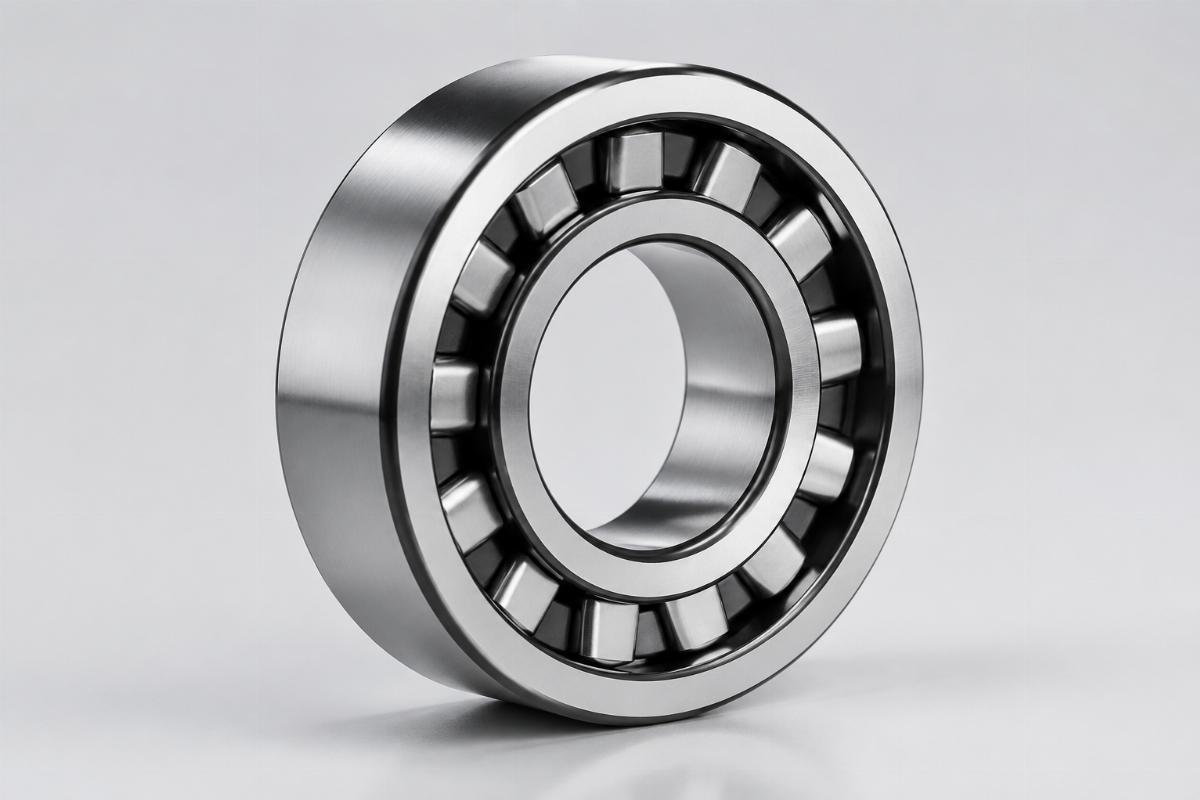
Most think higher price guarantees authenticity, but a significant share of premium-priced bearings lack traceability. This is where working with an authorized SKF distributor headquartered in China makes a tangible difference. Every batch we ship carries full traceability verifiable against SKF records, covering the full SKF industrial range—precision classes P0, P6, P5, and P4, heavy-duty, high-speed, stainless, ceramic, sealed options including 2RS and 2Z, split bearings, plus accessories. All main types are available: deep groove ball, tapered roller, spherical roller, cylindrical roller, thrust, and self-aligning, with clearance options C2, CN, C3, and C4. For rare designations such as large bore, special precision or clearance, and ceramic or stainless variants, we dispatch from stock within days rather than waiting weeks for factory production.
When evaluating a bearing maintenance best practices partner, procurement teams should follow these verification steps:
- Traceability Verification – Request full manufacturing documentation including material certifications and batch test reports.
- Inventory Assessment – Evaluate supplier stock availability for critical SKUs and emergency delivery capabilities.
- Technical Capability Review – Assess engineering support offerings including failure analysis and application matching.
- Quality System Audit – Verify ISO 9001 and IATF 16949 certification and inspection protocols for dimensional accuracy.
- Logistics Evaluation – Analyze warehousing locations and shipping options for both emergency and scheduled deliveries.
How to Implement a Preventive Maintenance Program with Your Bearing Supplier?
Collaborative maintenance programs reduce long-term downtime costs noticeably compared to traditional supplier relationships. The key lies in creating structured processes that leverage supplier expertise while aligning with internal maintenance objectives.
| Program Component | Implementation Standard |
|---|---|
| Maintenance Scheduling | Develop equipment-specific intervals based on bearing load ratings and operating hours |
| Condition Monitoring | Integrate vibration, temperature, and lubrication analysis with supplier data recommendations |
| Failure Analysis Protocol | Establish documentation process for sharing failure details with supplier engineering team |
| Inventory Management | Implement minimum and maximum levels based on supplier lead times and equipment criticality |
The implementation process we recommend follows a clear sequence:
- Baseline Assessment – Document current failure patterns, operating conditions, and existing maintenance intervals across all critical equipment. This includes capturing L10 life calculations and comparing them against actual field performance.
- Supplier Technical Alignment – Share failure samples and operating data with your bearing maintenance best practices partner for root cause analysis. Our failure analysis support covers dimensional inspection, metallurgical examination, and load distribution review.
- Customized Interval Development – Replace generic calendar-based schedules with condition-based intervals derived from vibration analysis trends, lubricant degradation rates, and temperature profiles.
- Spare Parts Strategy – Build critical spare inventories based on MTBF data and verified supplier lead times. For facilities across Europe, the Americas, Australia, and the Middle East, this means balancing local stock against the rapid dispatch capability of a China-based authorized distributor.
- Continuous Feedback Loop – Establish quarterly review cycles where failure documentation, operating hour records, and condition monitoring data are shared between maintenance teams and supplier engineers to refine intervals and selection criteria.
Common risks that undermine preventive programs include:
- Relying solely on calendar-based lubrication without adjusting for actual load and speed conditions
- Failing to document failure modes systematically, which prevents pattern recognition across equipment fleets
- Selecting replacement bearings based on price rather than application-matched precision grades and clearance specifications
- Not verifying traceability on replacement stock, leaving the door open for counterfeit components to enter the maintenance cycle
Conclusion
Bearing maintenance best practices are not just about lubrication schedules—they require integrated thinking from selection through failure analysis. Unplanned downtime stems not just from wear, but from counterfeit parts and poor selection; integrating genuine traceable bearings with supplier-led technical support reduces downtime substantially and extends equipment life. Procurement managers and maintenance engineers who prioritize traceability verification, application-specific precision matching, and collaborative preventive programs will see meaningful improvements in MTBF and overall equipment reliability.

Leave a Reply