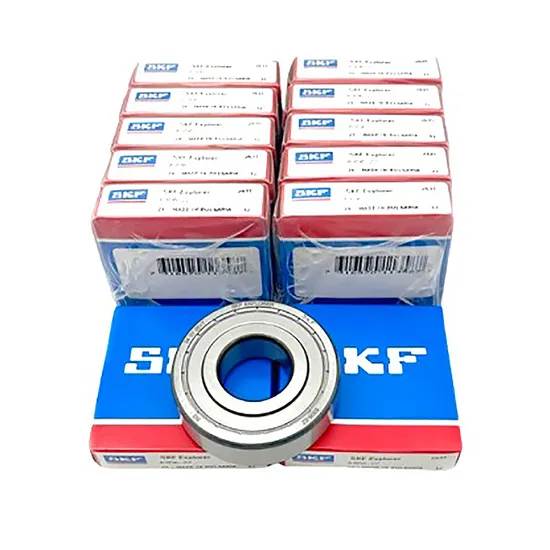
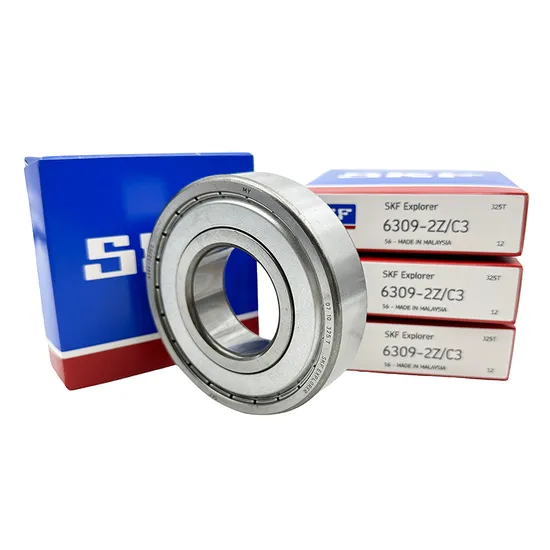
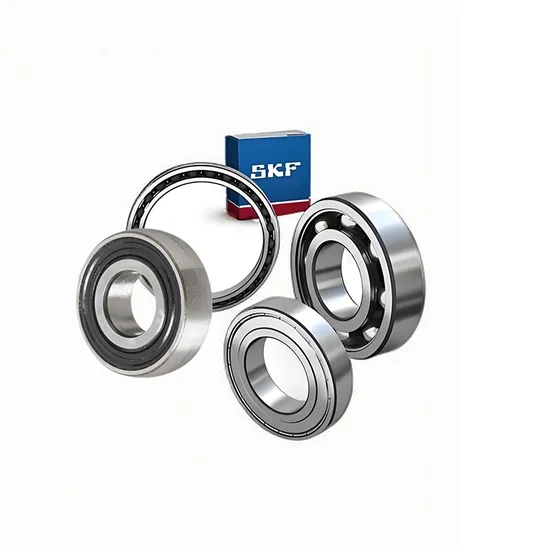
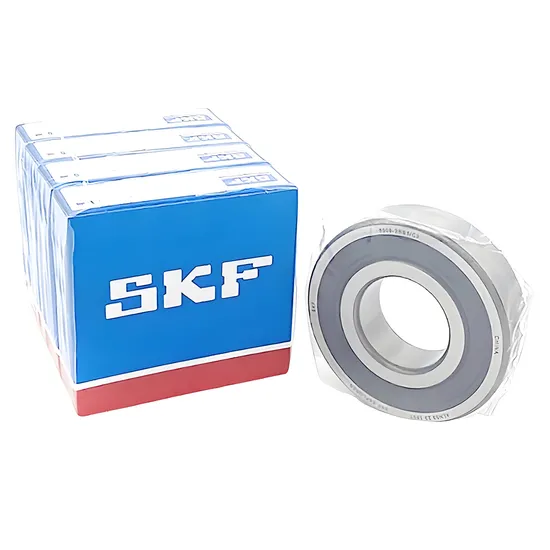
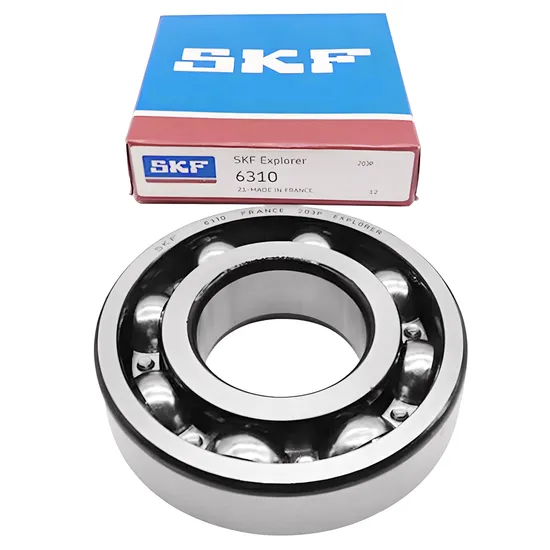
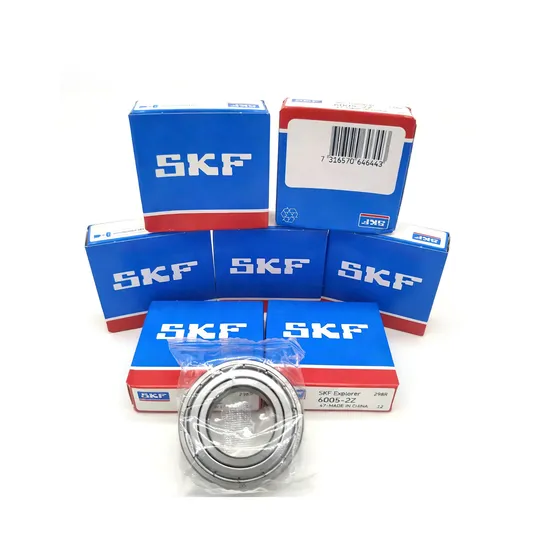
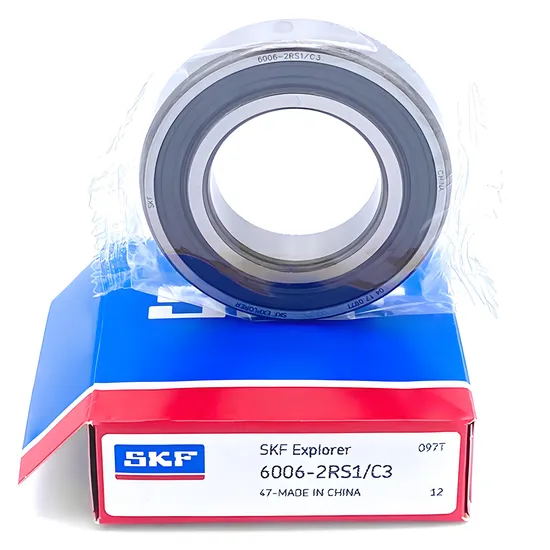
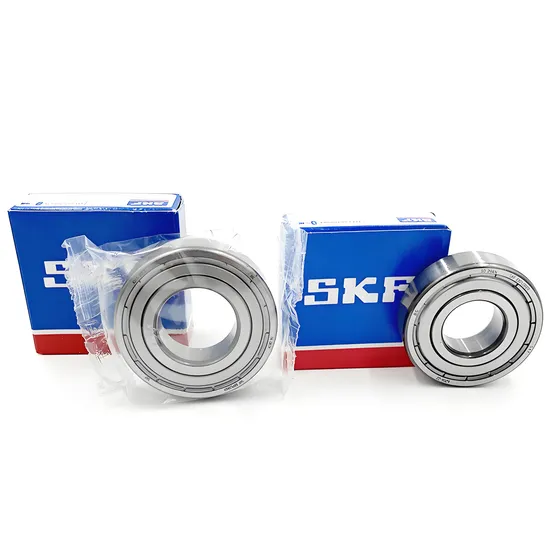
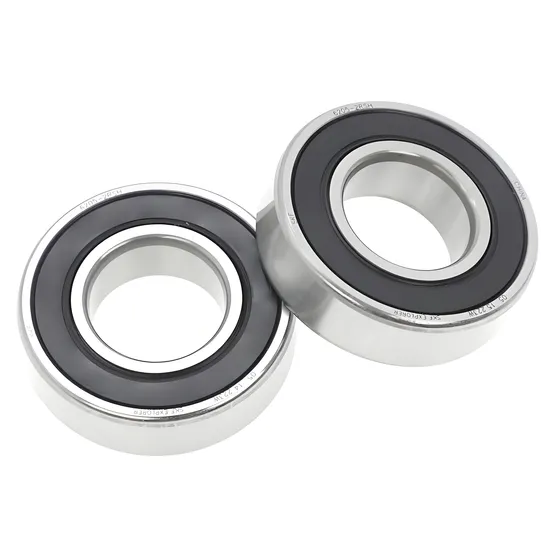
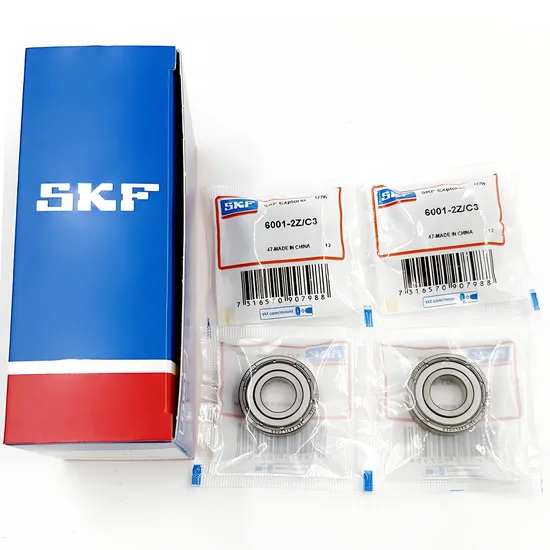
SKF deep groove ball bearings are widely used in electric motors, pumps, fans, gearboxes, conveyors and general industrial machinery. Their simple raceway geometry supports radial load and moderate axial load in either direction, making them a practical choice for common OEM and maintenance applications. Reliable sourcing starts with the complete bearing designation, because seals, shields, clearance and precision variants can materially change performance.Select Deep Groove Ball Bearings by Operating ConditionsConfirm the bore, outside diameter, width and bearing series first. Then identify whether the application requires an open bearing, metal shields or contact seals. Sealed designs can improve contamination protection, while open bearings may be preferable where an existing lubrication system supplies the correct grease or oil. Internal clearance, speed, temperature, vibration and mounting fit should be reviewed together. For motors and fans, noise and speed may be important; for pumps and conveyors, moisture, dust and bearing life may drive the choice.The same basic dimensions may be offered with different suffixes for clearance, seal material, cage design or precision. Do not replace a C3-clearance or sealed reference with a standard version without confirming the equipment requirement. Share the full marking on the old bearing, the shaft and housing dimensions, application and expected quantity when requesting a quotation.Common Industrial UsesElectric motors, fans and blowersPumps, compressors and small gear drivesConveyors, agricultural equipment and packaging machineryMachine assemblies that need compact radial-load supportPlanned MRO replenishment and OEM production requirementsRelated Bearing TypesFor higher radial loads and guided axial displacement, compare
cylindrical roller bearings. For combined radial and thrust loading, review
tapered roller bearings. Applications where axial load is the main requirement may need
thrust ball bearings instead.Request a QuoteUse our
inquiry page to send the bearing model, dimensions, seal or shield requirement, application and quantity. This provides the information needed to review relevant deep groove ball bearing options for your purchasing plan.Seals, Shields and LubricationSeal selection affects both protection and torque. Contact seals offer stronger resistance to dust and moisture but can increase friction at higher speeds; metal shields provide lower drag while allowing less protection from liquid contamination. The surrounding housing, lubricant interval and operating environment should therefore be assessed together. When a bearing is supplied pre-lubricated, do not mix grease types without checking compatibility.Mounting fits also matter. An interference fit may be required on the ring that rotates relative to the load, while excessive force or poor support can introduce damage before service begins. Use the correct tools, keep the bearing clean and confirm shaft and housing tolerances against the equipment specification. These practical details are especially useful when a distributor is standardizing repeat replacement parts across several plants.Planning a Repeat PurchaseFor planned demand, group requests by complete bearing reference, seal or shield suffix, clearance class and destination. This separates visually similar items that are not technically interchangeable. Include the application and annual quantity when requesting a quotation so that product identification, packaging and supply planning can be reviewed against the actual requirement.Featured Model Families and Selection ChecksCommon deep groove ball bearing families include metric 60, 62, 63 and 64 series, along with miniature and thin-section designs for compact equipment. The series alone does not specify the entire requirement: compare the width, load rating, clearance, seal configuration and precision requirement with the existing application. A bearing used in a clean, high-speed motor may need a different configuration from the same nominal size used in a wet pump or dusty conveyor.Before releasing a purchase order, confirm the unit count, complete marking, required brand, installation position and destination. This creates a usable record for incoming inspection and makes it easier to identify the same configuration when the equipment requires its next scheduled replacement.
Deep Groove Ball Bearing Sourcing for US BuyersFor motors, pumps, fans and general machinery, include the complete SKF reference, seal or shield type, internal clearance, dimensions, application and quantity. We can review deep groove ball bearing requirements for importers, distributors and repeat MRO orders.

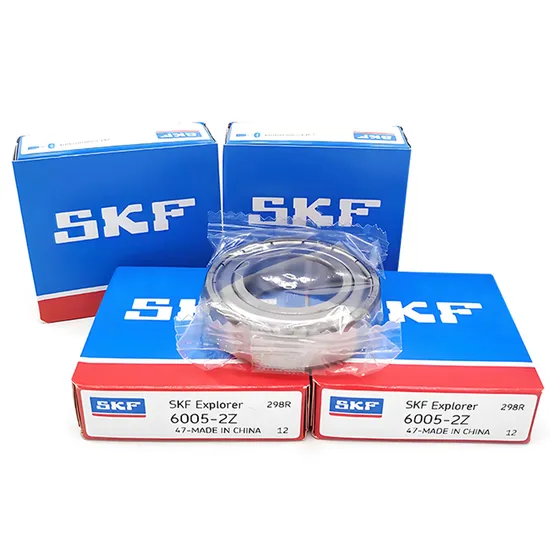 SKF Genuine