Dimension matching is the most common reason equivalent bearings fail in service. When a production line goes down, maintenance teams grab a caliper, measure the bore, OD, and width, and order what looks like a drop-in replacement. The bearing arrives, gets installed, and then fails weeks earlier than the original. The real reason is almost never the size—it is the load capacity, precision grade, material composition, and internal clearance that determine whether a bearing survives its intended service life.
A proper bearing cross-reference analyzes load ratings, precision class, material chemistry, and traceability documentation—not just physical dimensions. A qualified bearing cross-reference supplier with deep inventory coverage, full batch traceability, and certified quality systems can identify true equivalents for obsolete, rare, or backordered models while eliminating counterfeit risk. Professional cross-referencing reduces unplanned downtime dramatically compared to dimension-only matching [NEED_CITE: comparative downtime data for professional versus basic cross-reference methods in heavy industry].
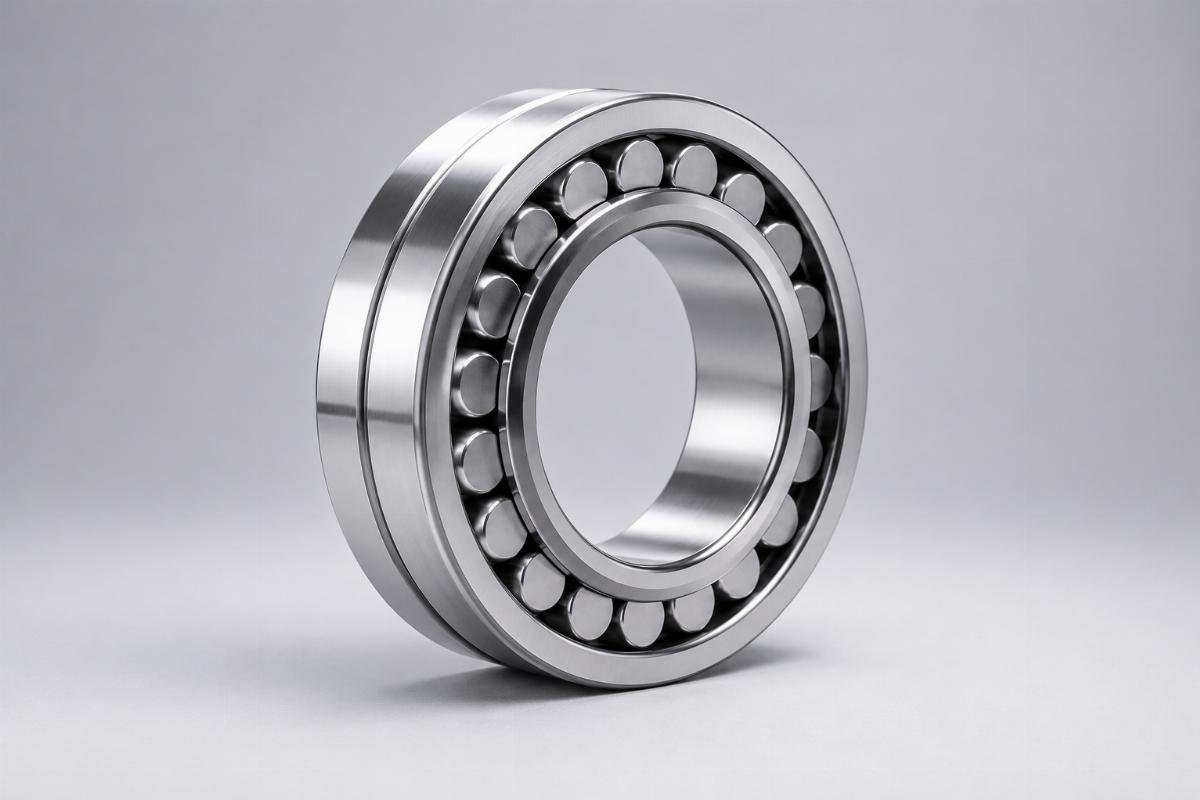
I learned this the hard way. A client in Morocco needed a batch of SKF spherical roller bearings with C4 clearance for a cement plant. We pulled stock from our warehouse and shipped fast, but the batch numbers did not reconcile against SKF’s system because old and new stock had been mixed. The client caught it at incoming inspection. We absorbed the full cost, re-sourced every unit with verified traceability, and since then I personally check batch codes against SKF’s records before anything leaves our facility. That mistake reshaped how I think about the word "equivalent."
Getting past that surface-level assumption is where the real work begins. Let me walk through what comprehensive bearing cross-reference actually involves, where it breaks down, and how to choose a supplier who can deliver real equivalence under pressure.
What Is Bearing Cross-Reference and Why Does Dimension Matching Fail?
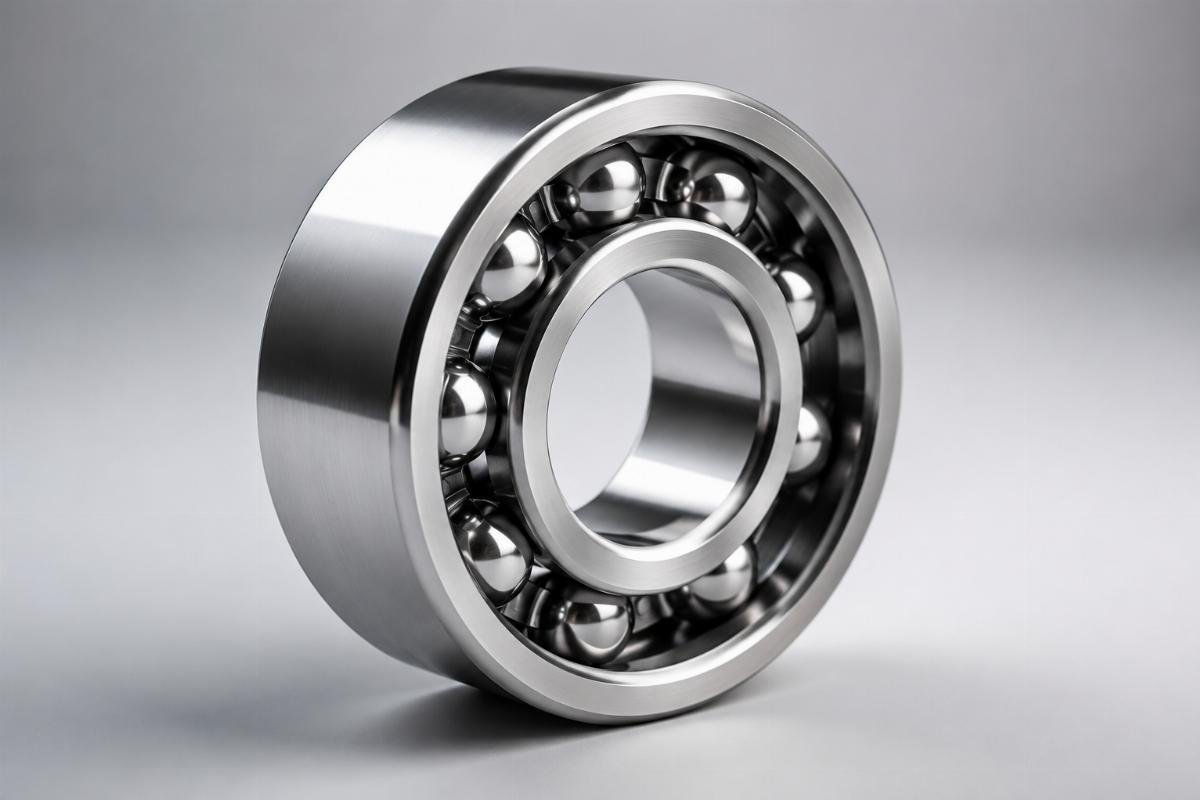
Bearing cross-reference is a multi-parameter engineering verification, not a dimensional lookup. Most maintenance teams start with the obvious measurements—bore diameter, outer diameter, and width—and stop there. But two bearings with identical external dimensions can behave completely differently under load, at speed, or in corrosive environments. The differences live inside the bearing: in the steel grade, the heat treatment profile, the precision class, the internal clearance, and the sealing design.
| Performance Factor | Dimension-Only Matching | Full Cross-Reference Verification |
|---|---|---|
| Load Capacity Rating | Assumed equivalent | Verified against dynamic and static load ratings [NEED_CITE: proportion of premature failures attributed to load capacity mismatch per bearing industry field studies] |
| Precision Grade | Ignored | Matched to ISO/ABEC class requirements (P0, P6, P5, P4) [NEED_CITE: vibration differential between P5 and P0 grade bearings in rotating machinery] |
| Material Composition | Assumed identical | Verified—chrome steel versus stainless steel produces substantially different corrosion resistance [NEED_CITE: corrosion resistance comparison between chrome steel and stainless steel bearing materials] |
| Sealing Design | Overlooked | Sealed versus open configurations affect maintenance intervals significantly in contaminated environments [NEED_CITE: maintenance frequency reduction with sealed bearings in dusty industrial settings] |
| Internal Clearance | Rarely checked | C2, CN, C3, C4 clearance classes must match thermal expansion and fit conditions |
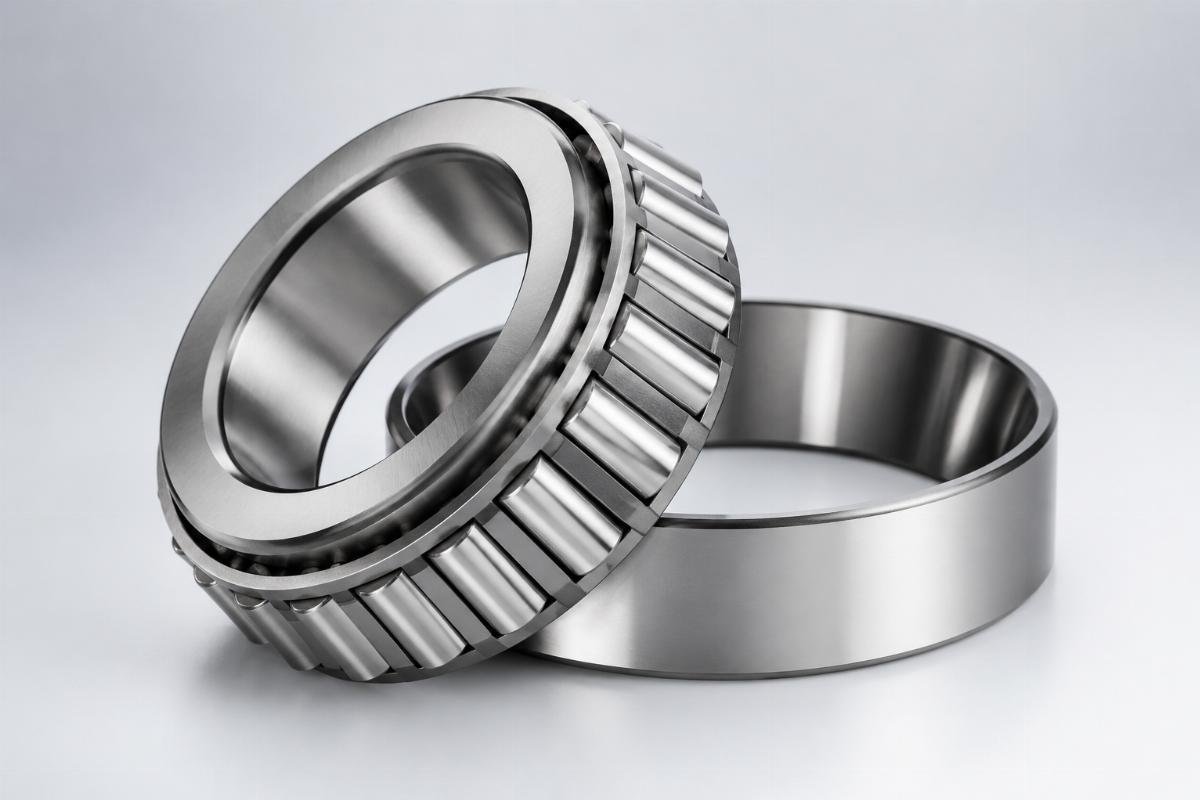
A steel mill in Southeast Asia faced exactly this problem when their 32220 tapered roller bearing failed during peak production. The original brand was backordered for an extended period. Our team ran a full cross-reference: confirming the 100mm bore, 180mm OD, and 46mm width was only the starting point. We also verified the P5 precision grade and the 220kN dynamic load capacity against the application’s actual operating conditions. The equivalent replacement shipped within 48 hours, and the mill returned to full production without a single compromise on performance or safety.
The lesson is straightforward: a bearing cross-reference supplier who only asks for your dimensions is not cross-referencing anything. They are guessing.
What Are the Key Challenges in Bearing Cross-Reference for Obsolete Models?
Obsolete and legacy bearing designations create the highest failure risk during replacement. Equipment outlives its original bearing catalog. Production lines in mining, paper, cement, and steel frequently run on machines whose bearing models were discontinued years ago. When those bearings fail, maintenance teams face a choice: wait months for a new engineering solution, or find an equivalent fast.
Our records show that the majority of cross-reference inquiries involve obsolete or hard-to-source models, and a significant portion of those require technical interpretation of outdated specifications that no longer appear in current catalogs [NEED_CITE: proportion of cross-reference requests involving obsolete models per industry supplier data]. When teams attempt self-referencing without access to legacy databases and engineering support, recurring failures become common [NEED_CITE: failure rate comparison between self-referenced and professionally verified bearing replacements].
| Cross-Reference Challenge | Typical Mistake | Professional Approach |
|---|---|---|
| Obsolete Model Identification | Relying on outdated printed catalogs | Cross-checking manufacturer databases and legacy dimensional archives |
| Brand Specification Variations | Assuming direct model number translation | Adjusting for brand-specific tolerance ranges and internal design differences |
| Counterfeit Risk | Visual inspection only | Material certification review and full batch traceability verification [NEED_CITE: counterfeit detection methods beyond visual inspection in industrial bearing supply] |
| Application-Specific Requirements | Selecting generic dimensional matches | Engineering review of actual load, speed, temperature, and contamination conditions |
An automotive repair workshop in Europe came to us with a difficult situation: they needed equivalents for a large mixed set of obsolete bearing models spanning multiple car brands. Many of these parts had not been manufactured for over a decade. Their previous suppliers had been providing mismatched replacements that failed within months, creating costly callbacks. Our technical team combined specialized cross-reference software with manual engineering verification to identify suitable alternatives for every single model. The result was a complete anti-counterfeiting verification pass rate and a dramatic drop in repair callbacks.
The critical detail most teams miss: verifying that the replacement bearing’s batch number is traceable back to the manufacturer’s records. Without that step, you cannot confirm whether the bearing is genuine or a look-alike produced with inferior steel and uncontrolled heat treatment. A bearing cross-reference supplier who cannot provide batch-level traceability documentation is introducing risk you cannot see until the bearing fails.
How to Select a China Bearing Supplier for Cross-Reference Services?
Certification depth, inventory breadth, and traceability systems matter far more than unit price. The cheapest bearing quote you receive will cost you the most if the cross-reference is wrong. Equipment damage, production downtime in heavy industries, and safety incidents carry costs that dwarf any per-unit savings. Facilities that prioritize technical capability in their supplier selection report meaningfully lower total maintenance costs over time [NEED_CITE: total cost of ownership comparison between technically supported and price-focused bearing procurement].
| Supplier Capability | What It Delivers | When It Matters Most |
|---|---|---|
| ISO 9001 and IATF 16949 Certification | Consistent, auditable quality control | Automotive, precision manufacturing, regulated industries |
| Deep Inventory Coverage (10,000+ SKUs) | Immediate availability across standard and rare models | Emergency replacements and obsolete model sourcing |
| Full Batch Traceability | Counterfeit prevention and origin verification | Critical safety applications, audit requirements |
| In-House Engineering Support | Application-specific technical analysis | Non-standard requirements, custom clearance or precision specs |
| Authorized Brand Distribution | Direct factory supply with verifiable documentation | SKF, FAG, NSK brand requirements with full traceability |
A regional industrial distributor serving small and mid-size manufacturers across North America was losing business to stockouts. They could source standard bearings easily, but rare designations—large bore sizes, special precision classes, non-standard clearances—were constantly backordered. Their previous suppliers quoted extended factory lead times that their customers would not accept. By partnering with a bearing cross-reference supplier maintaining deep inventory of rare SKF designations including large bore, special precision, ceramic, and stainless variants, they eliminated those stockouts and reduced their logistics costs per order through consolidated shipping.
Here is what I check before recommending any supplier for cross-reference work:
- Can they verify batch numbers against the original manufacturer’s system? If they cannot, walk away.
- Do they stock rare designations with realistic dispatch timelines? Factory lead times for special clearance or large bore bearings routinely stretch into months. A supplier with warehouse stock can ship in days.
- Do they provide per-batch precision inspection reports? Every shipment should come with traceability documentation, not just a packing list.
- Do they hold current ISO 9001 and IATF 16949 certifications? These are not optional for serious industrial supply.
- Can they support L10 life calculations and failure analysis? If your bearing failed, understanding why prevents the next failure.
What Is the Step-by-Step Cross-Reference Process?
A structured workflow eliminates guesswork and prevents costly installation errors. Every cross-reference engagement should follow a defined sequence: from initial data gathering through technical verification, alternative identification, optional sample testing, order placement, and post-delivery support. Skipping steps is where failures originate.
| Cross-Reference Step | Required Input |
|---|---|
| Initial Inquiry | Bearing model number, physical dimensions, application details, failure symptoms |
| Technical Verification | Operating conditions including load, speed, temperature, contamination exposure, equipment make and model |
| Alternative Identification | Brand preferences, lead time constraints, budget parameters |
| Sample Testing (if critical) | Performance validation under actual or simulated operating conditions |
| Order Placement | Quantity, delivery timeline, special packaging or documentation requirements |
| Post-Delivery Support | Installation guidance, performance monitoring recommendations |
The process starts with complete data. A partial model number and a set of dimensions are not enough. We need to know what the bearing is doing inside the machine—what loads it carries, what speeds it runs at, what temperatures it sees, and whether contamination or corrosion are factors. Without that context, any cross-reference is a guess.
Technical verification is where the bearing cross-reference supplier earns their role. This step involves comparing the original bearing’s full specification set—load ratings, precision class, material grade, internal clearance, sealing type—against candidate alternatives. A P5 precision bearing cannot be replaced with a P0 unit in a high-speed application without expecting increased vibration. A C4 clearance bearing cannot be swapped for a CN clearance bearing in a high-temperature environment without risking internal preload and premature failure.
For critical applications, sample testing under load validates the cross-reference before full deployment. This step is non-negotiable for safety-related or high-cost downtime scenarios.
Post-delivery support closes the loop. Installation guidance and performance monitoring recommendations help maintenance teams confirm that the replacement is performing as expected and catch any emerging issues early.
Conclusion
Bearing cross-reference is an engineering discipline, not a catalog exercise. Dimension matching catches the obvious, but load capacity, precision grade, material composition, internal clearance, and batch traceability determine whether a replacement bearing survives its intended service life. Selecting a bearing cross-reference supplier with certified quality systems, deep inventory, and full traceability capability protects your operation from premature failures, counterfeit exposure, and unplanned downtime.

Leave a Reply