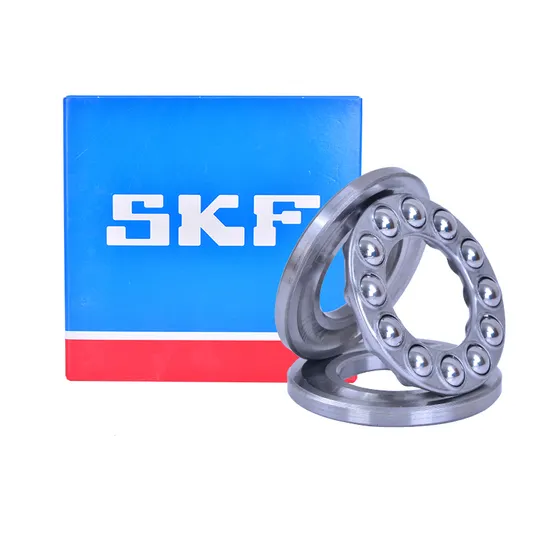
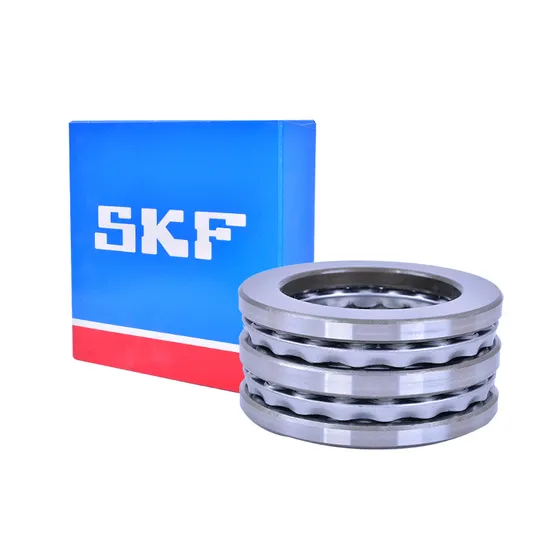
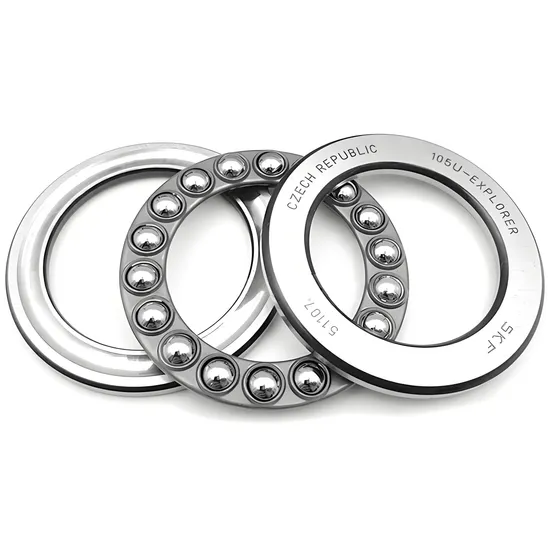
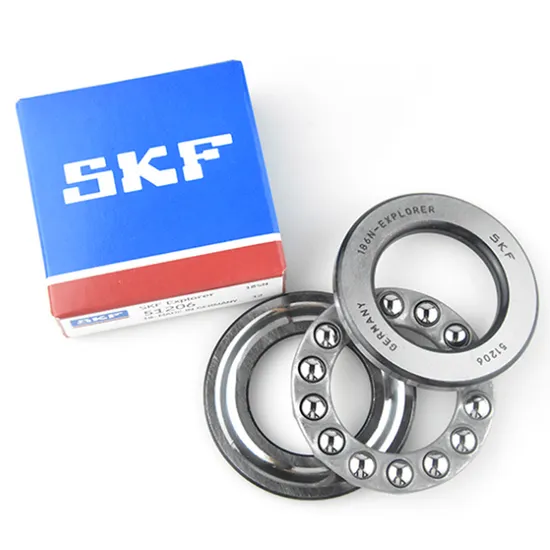
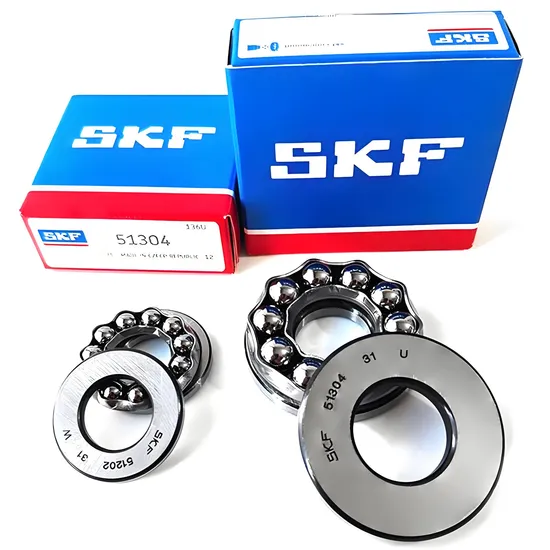
SKF thrust ball bearings are intended primarily for axial loads in applications such as vertical pumps, turntables, machine tools, screw drives and industrial assemblies. They are not a substitute for radial-load bearings: the load path, shaft arrangement and operating speed must be evaluated before selection. The correct reference depends on the washer dimensions, load direction, lubrication and mounting conditions.Specify the Right Thrust Ball BearingConfirm whether the application requires a single-direction or double-direction design. Single-direction thrust ball bearings carry thrust in one direction, while double-direction designs can locate a shaft where axial force reverses. Record the shaft washer bore, housing washer outside diameter, bearing height, load direction, rotational speed and working temperature. These factors affect the bearing arrangement, cage choice and lubricant requirement.Because thrust ball bearings are designed mainly for axial force, substantial radial load may require a different bearing arrangement. High-speed use also needs careful review of lubrication, cage guidance, preload and alignment. For replacement work, provide the full designation and the equipment function rather than selecting only by approximate dimensions.ApplicationsVertical pumps and machine-tool assembliesTurntables, rotary fixtures and positioning systemsScrew mechanisms and light-to-medium thrust dutiesIndustrial drives where axial location is requiredCompare Related Bearing TypesFor heavier axial loads, review
thrust roller bearings. Where combined radial and axial force is present,
tapered roller bearings may be more suitable. Compact rotating equipment with radial loading can be compared with
deep groove ball bearings.Request a QuoteSend the bearing designation, washer dimensions, load direction, speed, application and quantity through our
inquiry page. This supports a more accurate review of the required thrust ball bearing configuration.Mounting and Operating ChecksThrust ball bearings need flat, adequately supported washer seats so the axial load is distributed correctly. Shaft and housing shoulders should support the washers without obstructing the cage or rolling elements. Misalignment, poor surface finish or insufficient guidance can shorten service life. During installation, apply force only to the ring being fitted and avoid loading through the balls.Speed, temperature and lubrication should be reviewed with the thrust load. A higher speed or elevated-temperature application may require a different lubricant, cage or bearing arrangement. If the shaft carries significant radial force as well as thrust, use a separate radial bearing or reassess the complete bearing layout. Recording the original bearing marking and installation arrangement is useful for future maintenance planning.Information for a Precise QuoteInclude the complete reference, shaft and housing washer dimensions, whether axial force can reverse, operating speed, lubricant and quantity. For repeat purchasing, include the equipment position and expected annual demand. This helps keep the same thrust ball bearing configuration associated with the correct application.Featured Configurations and Selection ChecksSingle-direction and double-direction thrust ball bearings should be distinguished before ordering. Check whether the equipment has one thrust direction or must locate the shaft against alternating axial force. The shaft washer, housing washer and bearing height must match the existing arrangement. A different washer geometry can prevent correct seating even when the nominal bore appears suitable.For receiving and maintenance records, retain the full designation, application position, lubrication requirement and quantity. This makes future replacement requests more reliable and helps avoid confusing an axial-load bearing with a similar radial bearing.Featured Models and Order PreparationFor thrust ball bearing purchases, identify the single- or double-direction arrangement and keep the washer dimensions with the full bearing marking. This information supports consistent replacement planning and avoids ordering a similar-looking but unsuitable axial bearing.Confirm the required bearing quantity and delivery destination before issuing the final request.
Thrust Ball Bearing Sourcing for US BuyersFor importers, distributors and engineering procurement teams, send the complete SKF reference, washer dimensions, axial-load direction, speed, application and quantity. We can review single- or double-direction thrust ball bearing requirements and prepare a bulk quotation for US delivery.

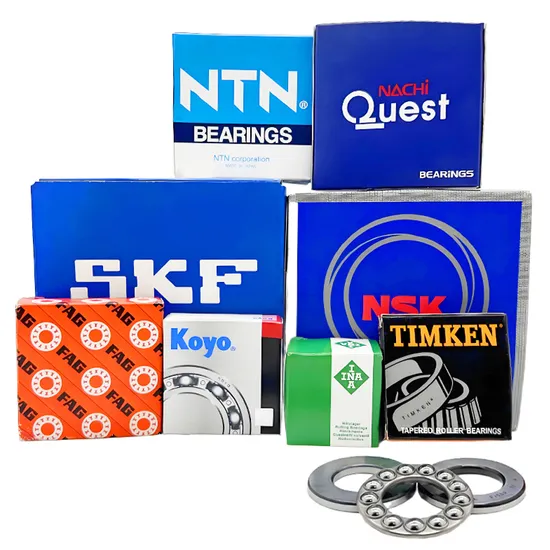 SKF Genuine