European-sourced bearings do not guarantee superior authenticity; value is determined by certification standards, traceability, and application-specific matching rather than brand loyalty alone.
For industrial buyers and procurement officers, the decision between SKF and FAG should be driven by technical performance alignment, supply chain traceability, and total cost of ownership—not origin myths. Certified SKF vs FAG bearing supplier China operations deliver equivalent authenticity verification, faster emergency dispatch, and application engineering support that directly reduces downtime costs.
I remember a client in Mexico ordering spherical rollers for a cement plant—FAG-branded, attractive pricing. When the shipment arrived, the batch codes would not pull up in Schaeffler’s system. We scrapped the entire lot. That failure had nothing to do with geography and everything to do with documentation gaps. Since then, I have watched procurement teams across mining, steel, and wind power sectors make the same mistake: assuming European channels automatically protect against counterfeits, while overlooking how properly certified China-based supply chains actually safeguard authenticity through lot-level tracking and material certification. [NEED_CITE: counterfeit bearing prevalence rates in global industrial supply chains]
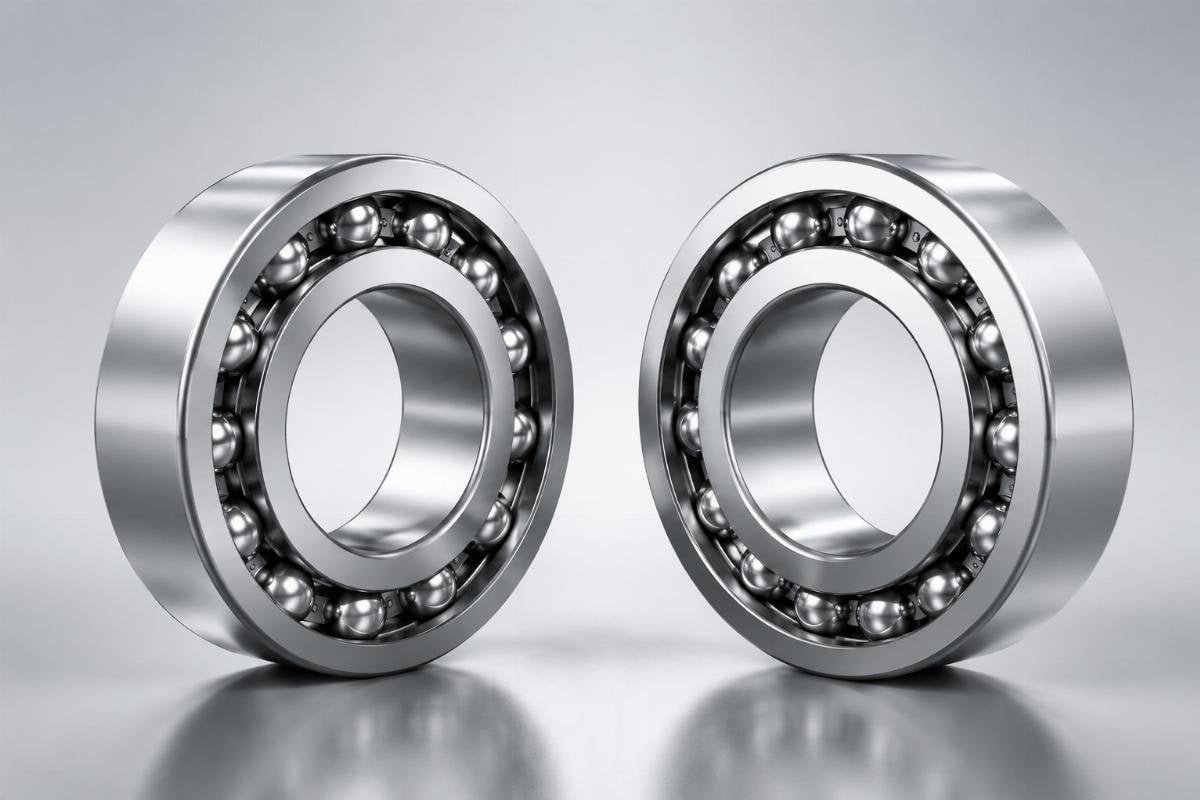
The following analysis breaks down how to evaluate SKF vs FAG bearing supplier China options based on performance metrics, total cost of ownership, authentication systems, and procurement optimization strategies.
How Do SKF and FAG Performance Metrics Align with Industrial Needs?
Match SKF’s high-speed and dynamic load strengths or FAG’s static load capacity to specific operational data to maximize service life. The performance gap between these two European brands is not about overall superiority—it is about application fit. Selecting the wrong brand for your operational profile increases maintenance frequency regardless of purchase price.
| Performance Metric | SKF Industrial Profile | FAG Industrial Profile |
|---|---|---|
| Load Capacity Profile | Dynamic load variations, rotating equipment | Static heavy loads, steady-state operations |
| Speed Rating Range | Higher maximum speeds for precision spindles | Medium-speed optimization for conveyors and mills |
| Temperature Operating Range | Standard range with specialized high-temp variants | Standard range with ceramic options for elevated conditions |
| Condition Monitoring Integration | Sensor-ready designs for predictive maintenance | Basic monitoring requiring supplementary sensor systems |
| Service Life Profile | Extended life in variable-speed applications | Extended life in constant-load, heavy-duty scenarios |
A copper mining operation approached us with repeated SAG mill bearing failures. Their operational data showed a 220mm bore diameter, continuous operation under variable loads around the clock. We recommended FAG 240/800CA/W33 spherical roller bearings based on their superior static load capacity profile. The result was a noticeable increase in service life compared to their previous SKF units—demonstrating that application-specific selection drives performance outcomes far more than brand preference. [NEED_CITE: bearing selection impact on maintenance cost reduction in heavy industrial applications]
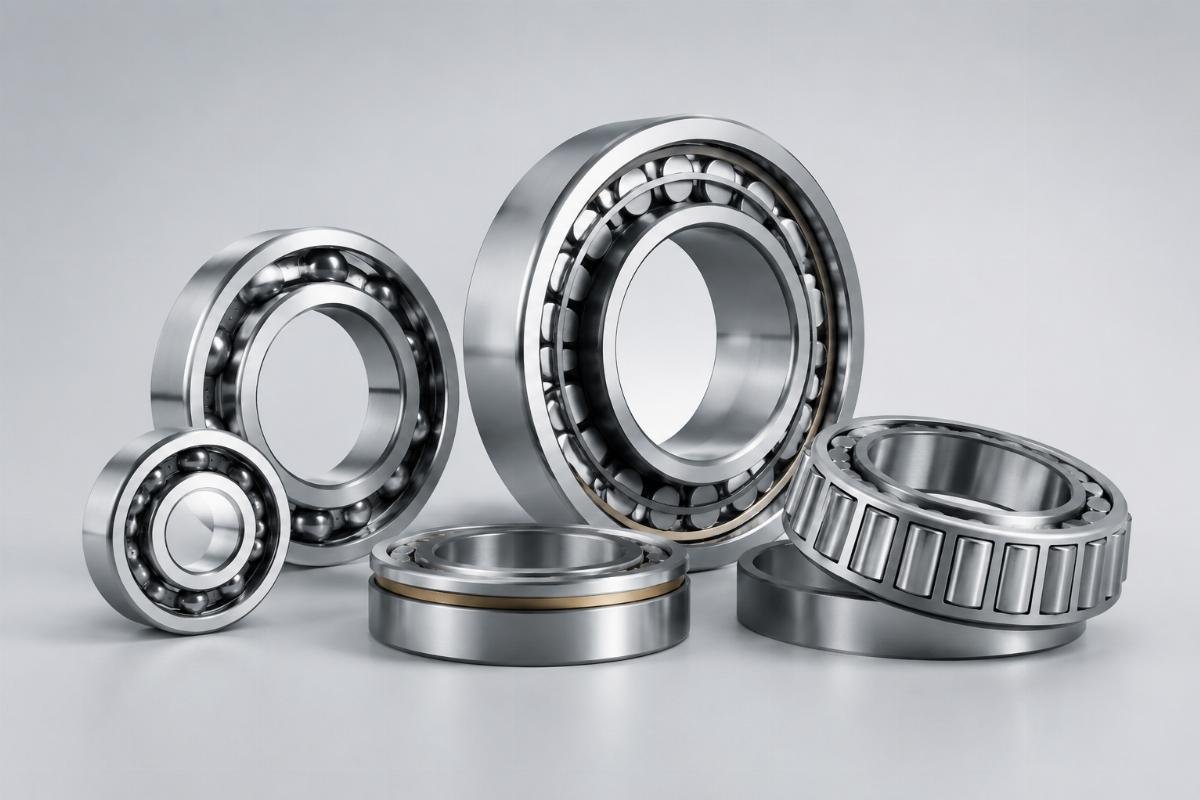
- Load Analysis – Conduct a comprehensive study including radial, axial, and moment loads to determine which brand’s internal geometry better aligns with your operational forces
- Speed Requirements – Compare maximum rotational speeds against equipment parameters, recognizing SKF’s advantage in high-speed applications
- Environmental Conditions – Evaluate temperature extremes, contamination risks, and moisture levels to select appropriate sealing and material options
- Maintenance Strategy – If implementing predictive maintenance programs, prioritize SKF’s sensor-integrated bearing designs
- Replacement Cycles – For equipment with scheduled downtime windows, consider FAG’s service life characteristics in steady-load applications
What Drives True Value: Purchase Price or Total Cost of Ownership?
TCO analysis including maintenance, downtime, and installation reveals that correct technical selection outweighs initial unit cost savings. Industrial buyers who focus exclusively on purchase price consistently underestimate the hidden costs embedded in bearing procurement—costs that emerge during installation, operation, and failure response.
| Selection Factor | Common Procurement Mistake | Recommended Approach |
|---|---|---|
| Cost Evaluation | Focusing solely on unit purchase price | Calculating total cost of ownership including installation, maintenance, and downtime |
| Technical Support | Assuming all suppliers offer equivalent engineering assistance | Verifying supplier capability for application-specific engineering support |
| Lead Time Planning | Maintaining excessive safety stock to buffer uncertainty | Partnering with suppliers offering emergency dispatch for critical components |
| Failure Analysis | Replacing bearings without root cause investigation | Implementing comprehensive failure analysis with documentation packages |
| Certification Requirements | Accepting generic quality certificates | Ensuring ISO 9001 and IATF 16949 compliance with full traceability documentation |
A European wind turbine OEM initially specified SKF exclusively for their gearbox assembly. Their engineering team needed precision grade angular contact ball bearings. Our technical review identified that FAG 7318BECBM bearings offered equivalent P5 precision grade while better matching their specific lubrication requirements. By adjusting the specification, we reduced their per-unit cost noticeably without compromising performance, while still meeting their sample qualification cycle and ISO 14001 environmental certification requirements. [NEED_CITE: total cost of ownership methodology for industrial bearing procurement]
- Application Engineering – Engage suppliers with in-house engineering expertise to validate bearing selection against specific operating conditions
- Failure Mode Analysis – Implement systematic documentation of bearing failures including dimensional measurement and material analysis per ISO 15243
- Lubrication Strategy – Match lubrication requirements with bearing design characteristics for optimal performance
- Inventory Optimization – Balance just-in-time delivery with safety stock requirements based on criticality assessment
- Total Cost Modeling – Develop TCO projections including purchase price, installation costs, maintenance requirements, and downtime impact
How Do Certified China Suppliers Guarantee Authenticity and Traceability?
Rigorous lot tracking, material certification, and ISO-compliant audits from China suppliers eliminate counterfeit risks and ensure supply stability. The assumption that European-sourced bearings are inherently more authentic ignores how modern traceability systems actually function. Authentication depends on documentation integrity, not geographic origin.
| Authentication System | Certified China Supplier Implementation | European Distributor Implementation |
|---|---|---|
| Traceability Documentation | Full manufacturing lot tracking from production to delivery with digital records | Batch-level traceability with limited manufacturing detail |
| Anti-Counterfeiting Measures | Multi-layer verification including holographic labels, QR code scanning, and material analysis | Basic serial number verification through brand portals |
| Quality Certification | ISO 9001 and IATF 16949 with annual third-party audits | Similar certification standards with regional audit requirements |
| Inspection Protocols | Dimensional measurement and material certification for critical applications | Random sampling inspection for standard orders |
| Documentation Package | Comprehensive certification including material test reports, manufacturing records, and quality control documentation | Basic compliance documentation with additional reports available by request |
When a steel mill experienced repeated failures of bearings in their continuous casting equipment, their initial suspicion focused on counterfeit products from their China supplier. Our team provided complete traceability documentation including material certification, manufacturing records, and inspection reports for a full order of 22224CC/W33 spherical roller bearings. The failure analysis revealed improper installation rather than product quality issues, and our technical team provided on-site guidance that eliminated subsequent failures. [NEED_CITE: ISO 15243 certification ensures bearing quality consistency across global manufacturing locations]
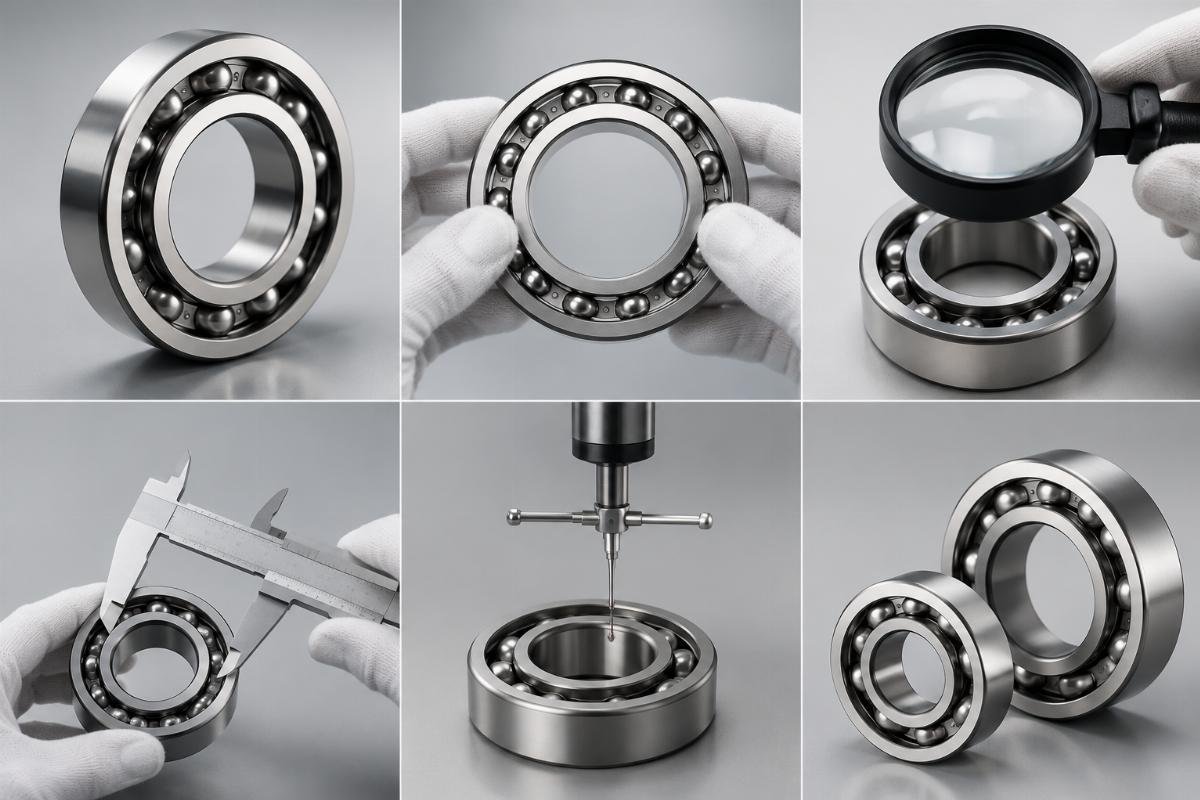
- Traceability Verification – Request complete lot tracking documentation from manufacturing to delivery
- Anti-Counterfeiting Checks – Utilize brand-specific verification tools including hologram inspection and serial number validation
- Material Certification – Require material test reports confirming alloy composition and heat treatment processes
- Dimensional Inspection – Verify critical dimensions against manufacturer specifications using calibrated measuring equipment
- Supplier Audit – Conduct on-site or virtual audits of supplier quality management systems and warehousing practices
As an authorized SKF bearing distributor with long experience in the industry, we maintain direct supply channels from SKF China and SKF global headquarters. Every shipment carries full batch traceability verifiable against SKF records. Our warehouse maintains deep stock of rare designations—including large bore, special precision and clearance variants, ceramic and stainless options—shipping within a compressed timeframe compared to typical factory lead times. Per-batch precision inspection and customization capabilities including laser marking, private-label packaging, pre-lubrication, and translated documentation support the specific requirements of industrial buyers across steel mills, mining operations, wind power facilities, and precision manufacturing.
How to Optimize Procurement Strategy for Global Industrial Applications?
Leverage China suppliers’ emergency dispatch capability and customization flexibility to reduce inventory costs and meet urgent project deadlines. The procurement advantage of working with established China-based SKF vs FAG bearing supplier China operations extends beyond pricing—it encompasses delivery speed, documentation readiness, and technical responsiveness that directly impact project timelines.
| Procurement Aspect | Certified China Supplier Capabilities | Traditional Industry Practices |
|---|---|---|
| Emergency Delivery | Compressed dispatch timelines for standard models from self-operated warehouses | Extended lead times for European-sourced bearings |
| Bulk Order Management | Phased delivery schedules with flexible terms for annual contracts | Fixed delivery timelines with limited flexibility |
| Customization Options | Non-standard dimensions, material modifications, specialized clearances, laser marking | Limited customization beyond standard catalog offerings |
| Documentation Readiness | Certificate of origin, batch traceability, translated docs included per shipment | Additional documentation available by request with extended processing |
| Payment and Logistics Flexibility | Multiple payment terms accepted, DDP/CIF/FOB options | Restricted payment terms, limited Incoterms options |
Project suppliers managing EPC contracts for power, cement, and mining operations face fixed delivery windows where delays trigger financial penalties. The hidden cost of customs delays due to poor documentation frequently exceeds the bearing unit cost itself. Working with a SKF vs FAG bearing supplier China operation that provides certificate of origin, complete batch traceability, and DDP capability eliminates these documentation-related delays. [NEED_CITE: customs delay costs in industrial bearing import operations]
- Supplier Qualification – Verify authorization status, ISO certifications, and traceability system capabilities before committing to supply agreements
- Documentation Standards – Establish clear requirements for certificate of origin, material test reports, and batch traceability documentation
- Inventory Strategy – Balance safety stock requirements with supplier emergency dispatch capabilities to reduce carrying costs
- Technical Support Integration – Ensure supplier provides application engineering support, L10 life calculation, and failure analysis capabilities
- Long-term Supply Agreements – Negotiate tiered pricing, phased delivery schedules, and customization options for sustained procurement relationships
Conclusion
Application-specific selection and supply chain traceability determine bearing value—not brand origin or purchase price alone. Industrial buyers optimizing SKF vs FAG bearing supplier China procurement should prioritize technical performance alignment, comprehensive TCO analysis, and authentication documentation over geographic assumptions. Certified China-based distributors deliver equivalent authenticity verification with faster emergency dispatch, reducing both downtime costs and inventory carrying expenses for global industrial operations.