
Higher precision grades do not automatically translate into better wheel hub performance.
Selecting tapered roller bearings for automotive wheel hubs demands a disciplined balance of axial load capacity, contact angle alignment, and installation protocol adherence rather than simply chasing the highest ISO precision grade; pairing the right specification with a verified supply chain and correct mounting technique is what prevents premature field failure.
I have spent years inspecting containers of tapered roller bearings at the Ningbo port, watching shipments get held up because the buyer’s spec sheet called for C3 clearance but the boxes were stamped CN. Early on, a client in Saudi Arabia rejected an entire batch of wheel hub units—not because the bearings were defective, but because they had specified a P5 precision class for a heavy-duty application and we shipped P0 without catching the mismatch. That failure forced me to stop treating bearing selection as a catalog exercise and start treating it as a load-path analysis. I began studying cornering forces, contamination ingress patterns, and why a sealed 2RS unit consistently outlasts an open design in dusty operating environments .
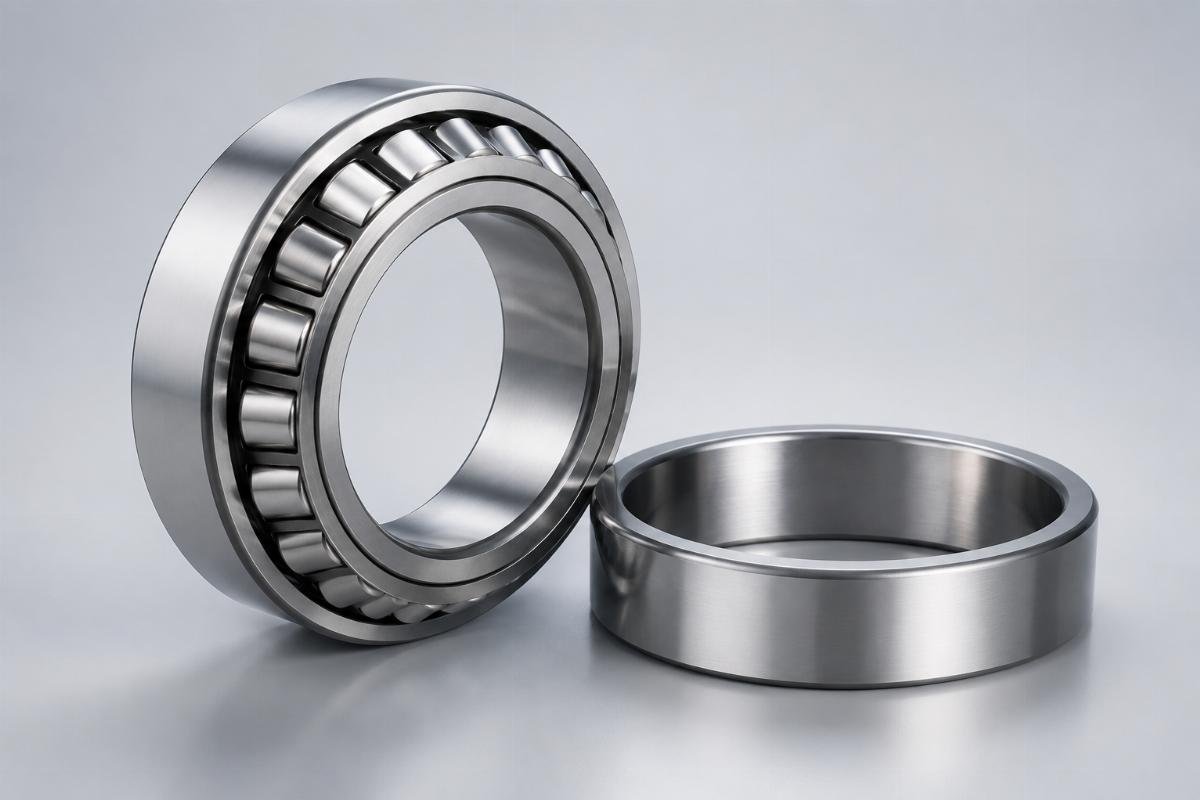
The following technical guide walks through the parameters that actually matter, the installation mistakes that silently destroy well-chosen bearings, and the supplier

Leave a Reply