
Most maintenance teams treat bearing replacement as a dimension-matching exercise. They measure, they order, and they wait for the inevitable failure.
Professional bearing cross-referencing goes far beyond matching inner diameter, outer diameter, and width. It requires verifying load capacity ratings, precision grades, material composition, and application-specific design features to ensure true performance equivalence. A certified bearing cross-reference China supplier with full batch traceability can reduce unplanned downtime dramatically while eliminating counterfeit risks in your replacement supply chain.
I still remember a shipment that nearly cost me everything. A buyer in Dubai ordered a batch of spherical roller bearings marketed as direct equivalents. The paperwork looked clean at first glance—until customs at Jebel Ali flagged the origin documents. No traceable batch numbers. No verifiable certificate of origin. The container sat on the dock for weeks while a cement mill burned through reserves. That single incident taught me that traceability is not a luxury—it is the foundation of any credible bearing cross-reference China supplier operation. Now every bearing I handle gets checked against manufacturer records before it leaves the warehouse.
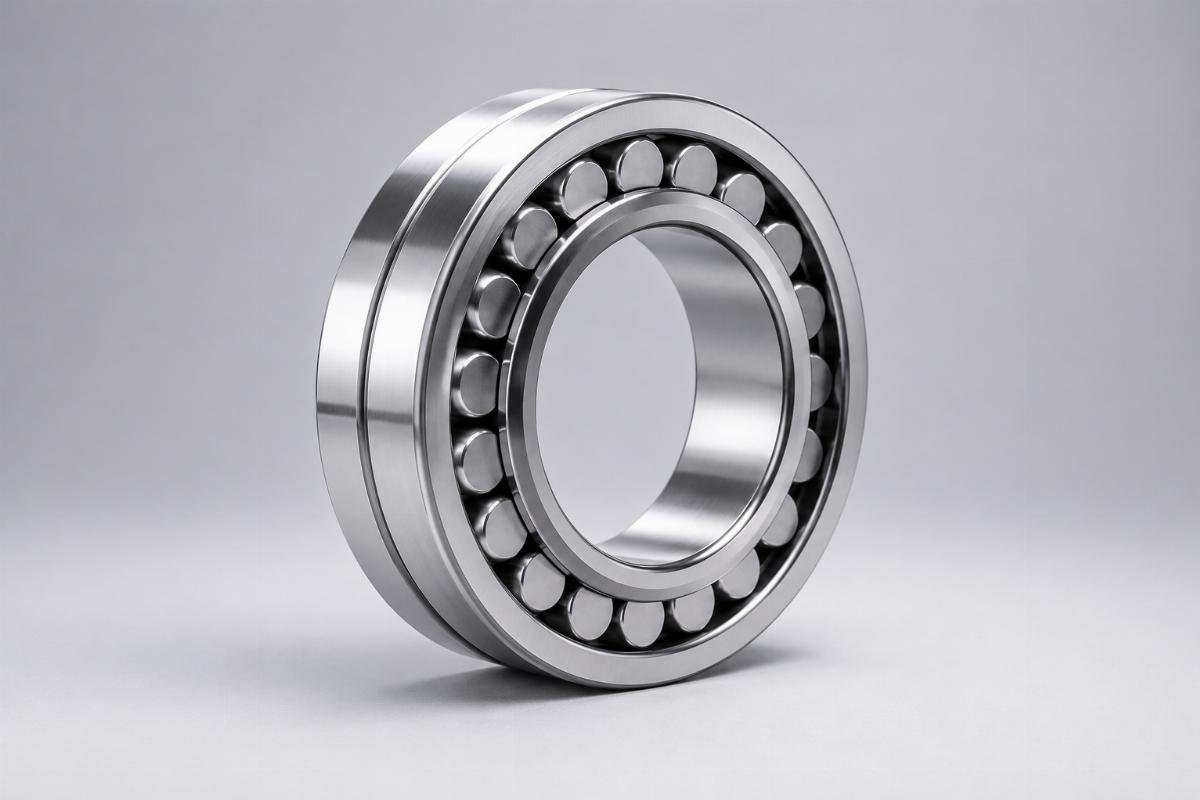
Understanding what separates genuine cross-referencing from lazy dimension matching is where maintenance strategies either succeed or collapse under pressure.
Why Dimension Matching Fails in Critical Bearing Replacements?
Size compatibility is necessary but never sufficient for performance equivalence. When a production-line bearing fails, the instinct is to pull out calipers, measure the bore and outside diameter, and place an order for anything that fits. This approach ignores the engineering parameters that actually determine whether a replacement will survive the application—or fail catastrophically within weeks.
| Performance Factor | What Dimension Matching Misses | Consequence of Mismatch |
|---|---|---|
| Dynamic Load Capacity | Whether the replacement can handle actual operating loads | Premature fatigue spalling under rated conditions |
| Precision Grade | ABEC/ISO grade alignment with machinery vibration requirements | Excessive vibration and accelerated wear in high-speed applications |
| Material Composition | Chrome steel versus stainless steel corrosion behavior | Unexpected degradation in humid or chemically exposed environments |
| Internal Clearance | C2/CN/C3/C4 suitability for thermal expansion conditions | Binding or excessive play depending on operating temperature profile |
| Sealing Configuration | Sealed versus open design for contamination exclusion | Particle ingress in dusty environments leading to abrasive wear |
Consider a real scenario: a steel mill in Southeast Asia experienced a critical failure on a tapered roller bearing during peak production. The original specification called for a 32220 unit—100mm inner diameter, 180mm outside diameter, 46mm width—but the original brand had a backorder stretching across months. A dimension-only search would have pulled any 32220 off a shelf. Instead, the technical team verified the P5 precision grade requirement and confirmed the 220kN dynamic load capacity matched the application’s actual loading profile. The replacement arrived within days, not months, and the mill resumed production without a single callback.
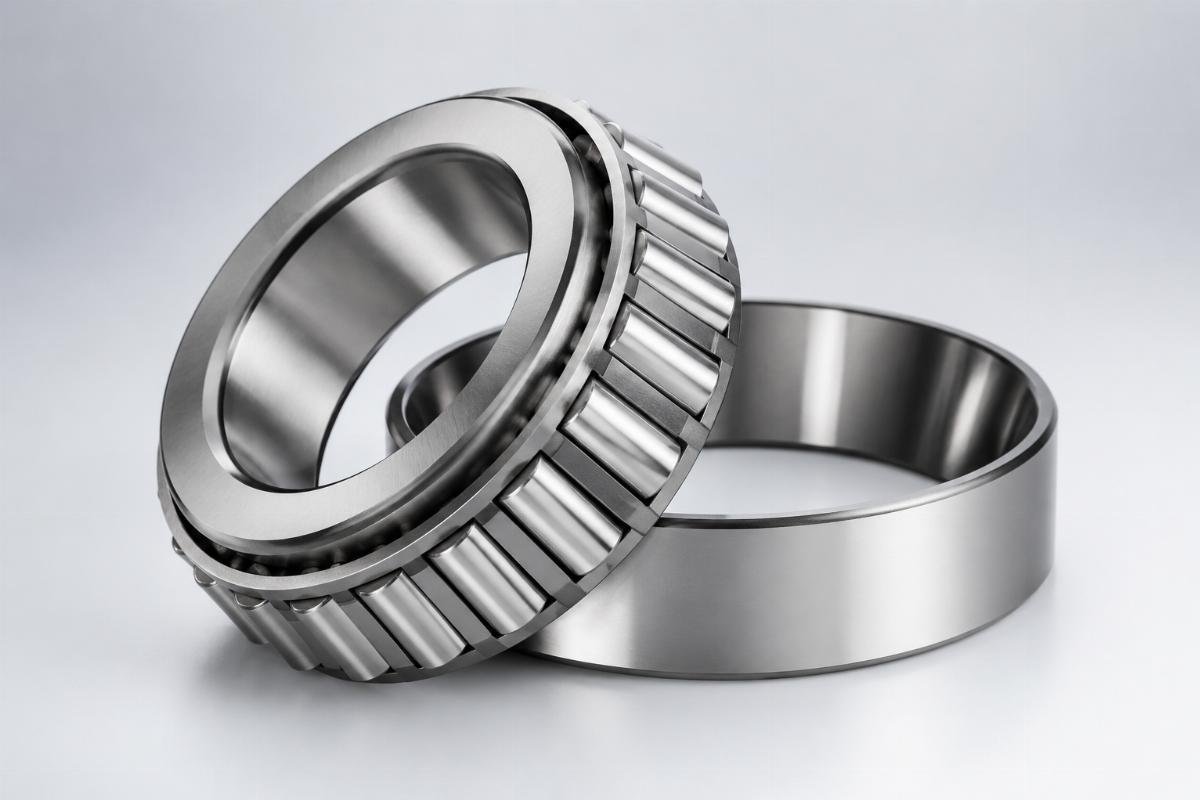
The lesson is straightforward: a bearing cross-reference China supplier that only checks dimensions is selling you a geometry lesson, not an engineering solution.
How to Overcome Obsolete Model and Counterfeit Risks?
Legacy equipment and discontinued part numbers create a perfect storm for replacement errors. Facilities running older machinery frequently encounter bearing designations that no longer appear in current catalogs. The original manufacturer may have renumbered the product line, merged it into a different series, or discontinued it entirely. Meanwhile, the counterfeit market thrives in exactly this confusion—stamping popular legacy numbers onto inferior products and shipping them to buyers who cannot verify authenticity.
| Cross-Reference Challenge | Typical Mistake | Professional Approach |
|---|---|---|
| Obsolete Model Identification | Searching current catalogs only | Cross-referencing legacy databases and dimensional archives |
| Brand Specification Variations | Assuming one-to-one model translation | Adjusting for brand-specific tolerance bands and material standards |
| Counterfeit Risk Mitigation | Visual inspection and price comparison | Verifying batch traceability against manufacturer records |
| Application-Specific Requirements | Selecting generic dimensional matches | Engineering review of actual operating conditions and failure history |
An automotive repair workshop in Europe came to us with a tangled problem: they needed equivalents for a large collection of obsolete bearing models spanning multiple vehicle brands. Some of these parts had not been manufactured for over a decade. Previous suppliers had been shipping mismatched replacements that failed within months, generating costly warranty callbacks. The technical team used specialized cross-reference databases combined with manual verification against original equipment specifications. Every replacement was validated for material compatibility, precision grade, and load capacity. The workshop achieved full anti-counterfeiting verification and saw repair callbacks drop sharply.
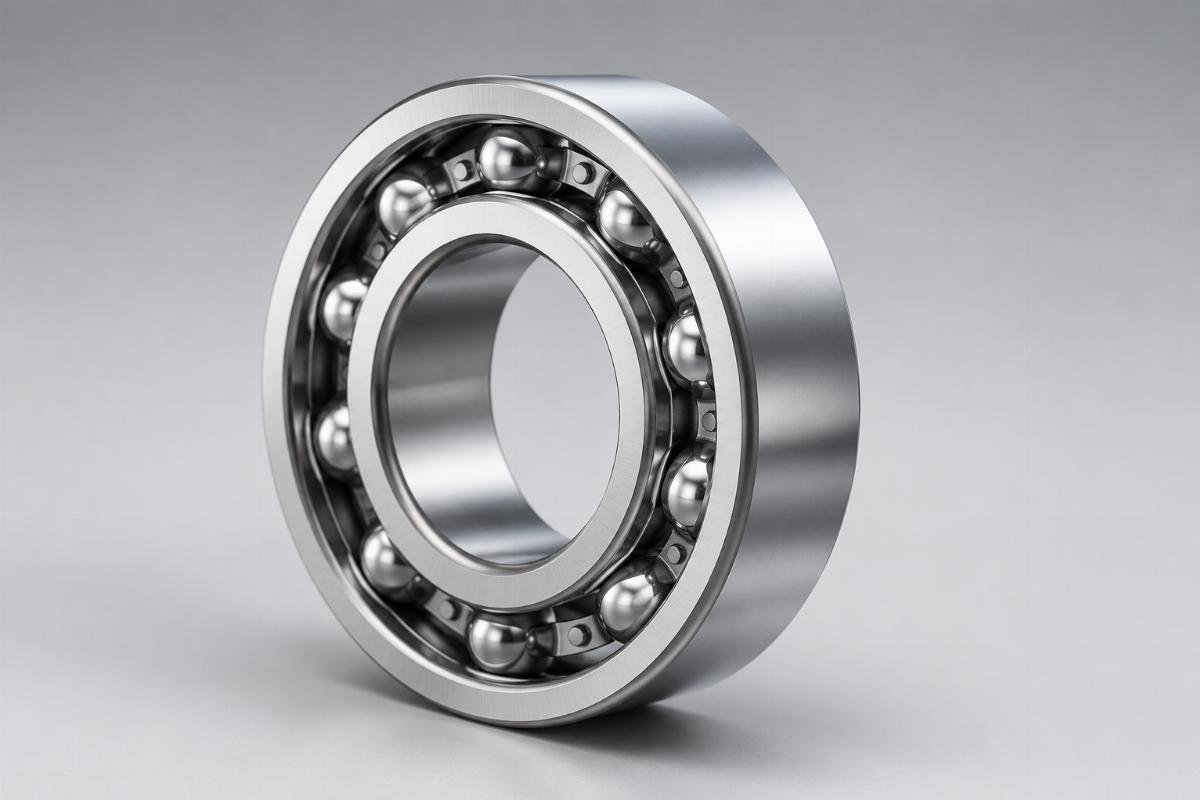
This is where a bearing cross-reference China supplier earns its value—not by shipping boxes, but by solving identification problems that would otherwise send maintenance teams down months-long dead ends.
What Criteria Define a Reliable Cross-Reference Supplier?
Technical depth and traceability infrastructure matter far more than unit price. The cheapest quote on a bearing replacement often becomes the most expensive decision once you factor in downtime, repeat failures, and equipment damage. Facilities that prioritize supplier technical capability over price alone consistently report lower total maintenance costs over the life of their equipment .
| Supplier Capability | What It Delivers | When It Matters Most |
|---|---|---|
| Extensive SKU Inventory | Immediate availability for standard and rare models | Emergency replacements and legacy equipment support |
| ISO 9001 and IATF 16949 Certification | Consistent quality management and process control | Automotive, precision manufacturing, and regulated industries |
| In-House Engineering Support | Application-specific technical analysis | Non-standard requirements and failure investigation |
| Full Batch Traceability | Verifiable manufacturing origin for every unit | Safety-critical applications and regulatory compliance |
| Flexible Order Quantities | Cost-effective procurement for varied demand patterns | Repair workshops, aftermarket distributors, and project suppliers |
A regional industrial distributor serving small and medium enterprises across North America was bleeding margin on supply instability. They could not hold enough inventory to cover rare designations, and stockouts were becoming routine. By partnering with a bearing cross-reference China supplier maintaining a broad inventory covering major brands and quality alternatives—including deep stock of large bore sizes, special precision classes, and stainless or ceramic variants—they eliminated the majority of their stockout situations. Consolidated shipping options further reduced their per-order logistics costs noticeably.
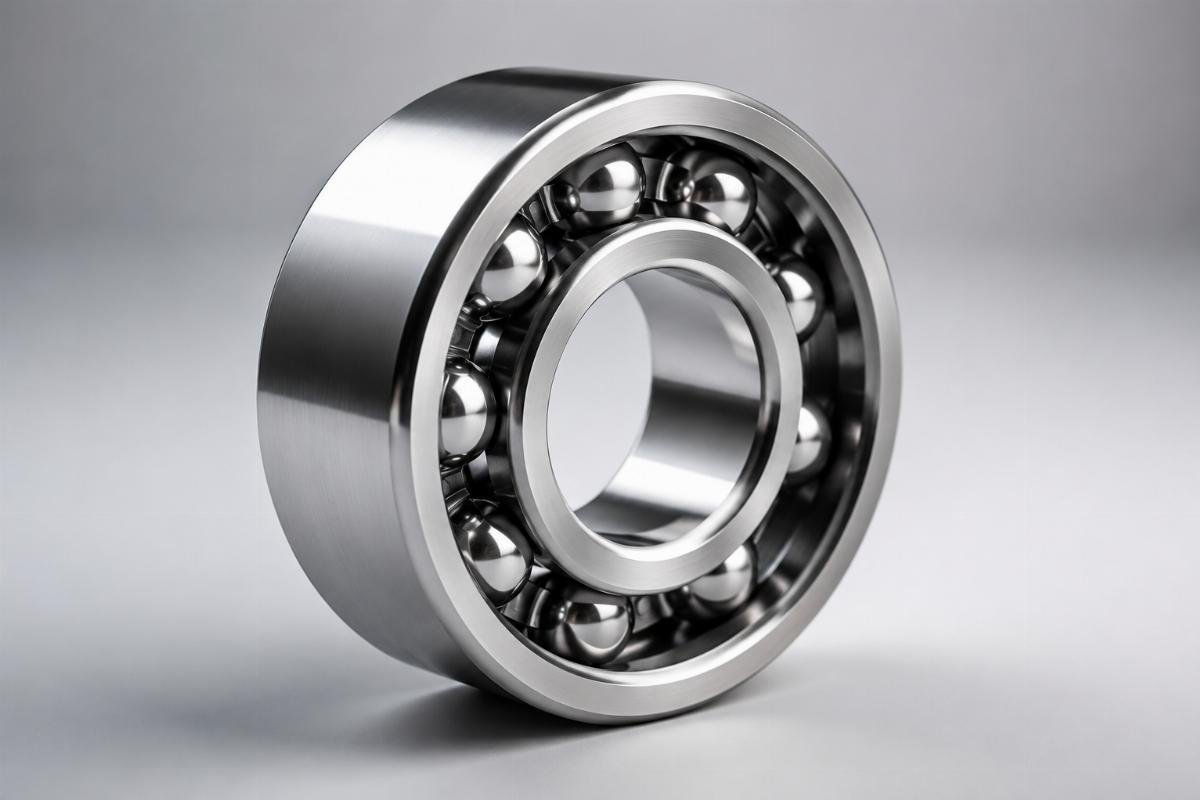
The pattern is clear: certifications like ISO 9001 and IATF 16949 are not decorative—they are evidence that a bearing cross-reference China supplier has invested in the systems required to prevent the exact failures that cost facilities far more than any unit-price savings.
Step-by-Step Process for Accurate Bearing Identification
A structured workflow eliminates guesswork and ensures repeatable accuracy. Ad hoc cross-referencing—calling around, checking random catalogs, hoping for a match—introduces errors that compound into equipment damage and production losses. A disciplined process, applied consistently, transforms bearing replacement from a reactive scramble into a controlled engineering activity.
| Cross-Reference Step | Required Information and Actions |
|---|---|
| Initial Data Collection | Bearing model number, dimensional measurements, application details, and failure symptoms |
| Technical Verification | Operating conditions including load profile, speed range, temperature exposure, and contamination risk |
| Alternative Identification | Brand preferences, lead time constraints, budget parameters, and availability requirements |
| Sample Testing | Performance validation under representative operating conditions for critical applications |
| Order Placement | Quantity, delivery timeline, packaging requirements, and documentation needs including certificates of origin |
| Post-Delivery Support | Installation guidance, lubrication recommendations, and performance monitoring protocols |
The critical insight here is that each step builds on the previous one. Skipping data collection leads to wrong alternatives. Skipping technical verification leads to mismatches that only reveal themselves under load. Skipping traceability verification leaves the door open for counterfeit products to enter your supply chain.
A bearing cross-reference China supplier that walks you through this entire process—not just the order-taking step—is demonstrating the technical discipline that separates professional support from commodity distribution.
Conclusion
Dimension matching is the starting point, never the finish line. True bearing equivalence requires verifying load capacity, precision grade, material composition, and internal clearance against your actual application conditions. Partnering with a bearing cross-reference China supplier that combines technical engineering support, full batch traceability, and certified quality management transforms replacement from a gamble into a controlled, repeatable process—protecting both your equipment and your production schedule.

Leave a Reply